
The Allure of Risk Understanding the Psychology Behind Gambling
The Thrill of Uncertainty
The psychology of gambling is profoundly anchored in the thrill that uncertainty brings. Each bet placed and number spun fosters an exhilarating blend of hope and trepidation. Players are drawn to the unknown, which promises potential rewards that can be life-changing. This uncertainty can trigger a rush of adrenaline, providing an emotional experience that many individuals actively seek out. The element of risk is not just about financial stakes; it’s about the emotional high that accompanies the game.
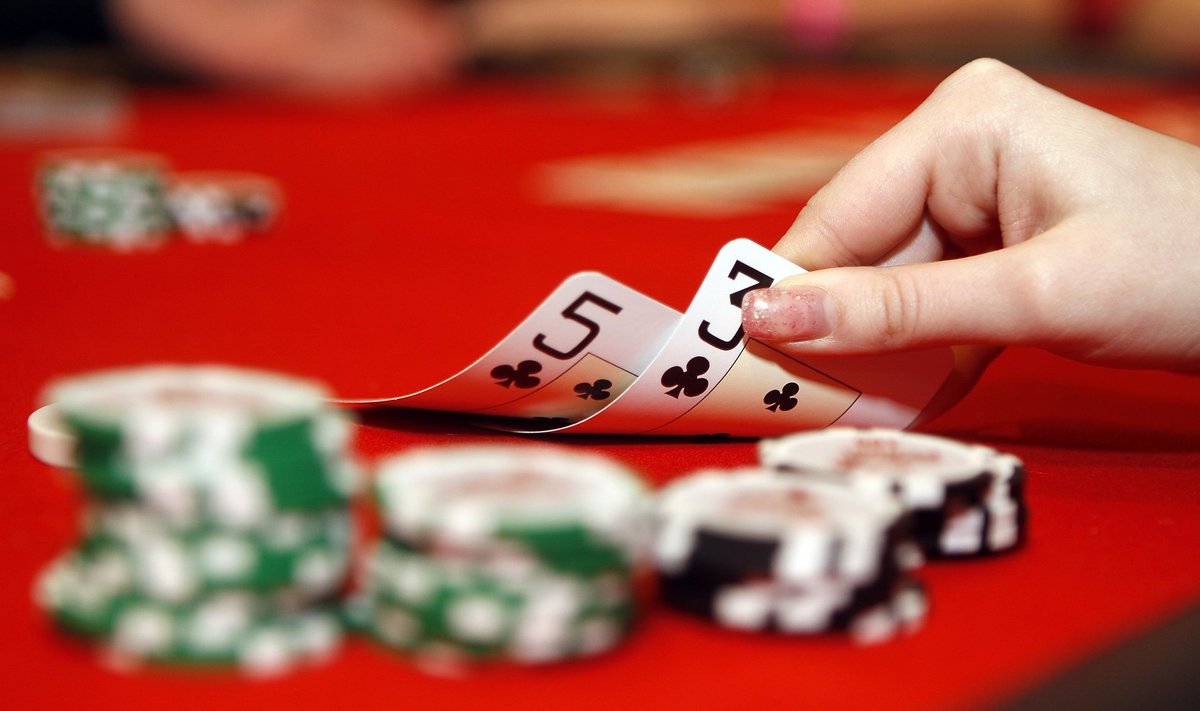
Furthermore, the unpredictability of outcomes amplifies this thrill. Unlike traditional hobbies with predictable outcomes, gambling presents a unique opportunity where players can experience triumph and despair in rapid succession. This rollercoaster of emotions can lead to a compelling cycle of escalating investment and increasing desire to play, ultimately captivating players in a deeply psychological game. Many players leverage promotions, such as the stake us promo code, to enhance their gambling experience and maximize potential rewards.
The Illusion of Control
Another fascinating aspect of gambling psychology is the perception of control that players feel, often referred to as the illusion of control. Gamblers frequently believe that their skills or strategies can influence the outcome of a game, even in inherently random scenarios like slot machines or roulette. This belief can significantly enhance their commitment to gambling. When players feel they have some influence over the results, they may be more inclined to engage further, leading to an increased risk of addiction.
This illusion can also manifest in selective memory—players tend to remember their wins far more than their losses. This selective recollection reinforces the idea that they can beat the odds, encouraging repeated play. As a result, the gambling experience becomes less about the probabilities and more about the perceived strategies that the player believes will lead to success.
The Social Environment of Gambling
The social settings associated with gambling further deepen its allure. Casinos and betting shops are often designed to create an atmosphere of excitement, filled with lights, sounds, and energy that heightens the overall experience. This communal environment can amplify feelings of camaraderie among players, as they engage in shared hopes and aspirations for big wins. Social interactions around gambling not only make the experience entertaining but also contribute to an addictive cycle that alleviates feelings of isolation for many individuals.
Moreover, the social aspects often allow players to celebrate wins and commiserate losses together, creating a support network that can both encourage continued play and foster an emotional investment that complicates the decision to stop gambling. This fusion of social dynamics with the thrill of gambling elevates it to more than just a solitary activity, embedding it deeply within community connections and personal identity.
Understanding Responsible Gaming
Understanding the complexities of gambling psychology is essential for promoting responsible gaming. Players must be aware of their motivations and recognize the fine line between entertainment and addiction. Educating individuals about the psychological triggers associated with gambling can empower them to make more informed decisions, fostering a healthier relationship with gambling activities. Recognizing when the thrill of risk becomes detrimental is crucial for long-term enjoyment and well-being.
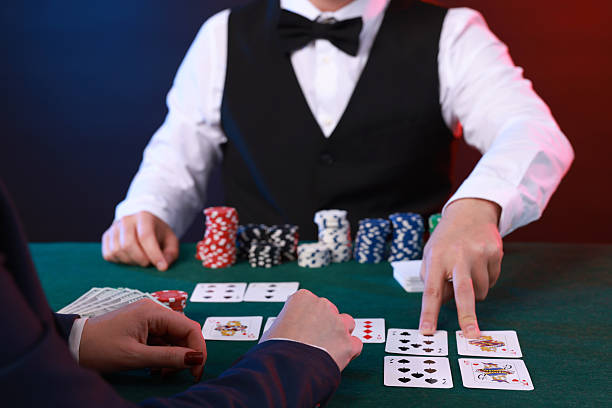
As awareness grows, so does the importance of creating spaces that prioritize responsible gaming. It is vital for casinos and online platforms to encourage players to bet responsibly, providing resources and support that acknowledge the psychological aspects of gambling. By fostering a culture of awareness, the gambling community can help mitigate the risks associated with engaging in this thrilling yet potentially dangerous pastime.