
The Appeal of the Casino Environment
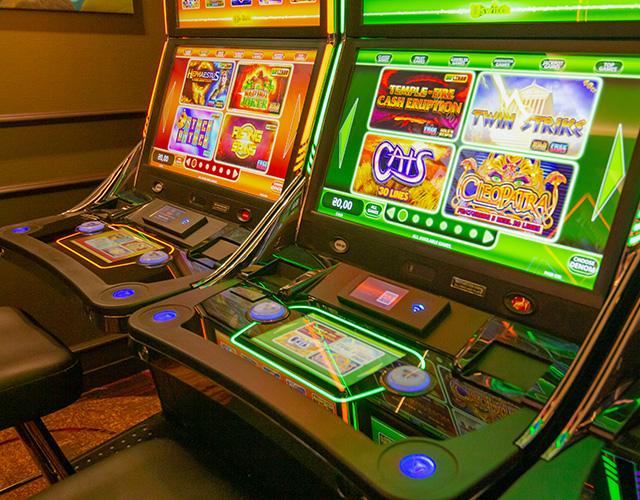
The ambiance of a casino plays a crucial role in attracting players. With vibrant lights, stimulating sounds, and the thrill of potential wins, the environment is meticulously crafted to provoke excitement and maintain engagement. This sensory overload can create an almost euphoric state, encouraging individuals to play longer. Moreover, many players seek out the best online pokies australia to enhance their gaming experience, as studies have shown that elements such as flashing lights and the sound of coins triggering the brain’s reward system enhance enjoyment and can lead to addictive behaviors, making the overall experience more compelling.
Furthermore, casinos are strategically designed to obscure the passage of time and space, allowing players to fully immerse themselves in their gaming experiences. The absence of clocks and windows creates a disorienting effect that causes individuals to lose track of time. This feature is particularly effective in promoting extended gambling sessions, as players often overlook the hours spent engrossed in games. Ultimately, the casino environment transforms into a psychological trap that keeps players returning for more, often at the expense of their daily responsibilities and relationships.
Additionally, the social aspect of casinos enhances their appeal. Players frequently gather around tables or machines, fostering a communal atmosphere that heightens the excitement of gaming. This group dynamic can influence individual behavior, as the collective energy amplifies emotions such as joy and tension. Interacting with others in this environment can lead to feelings of camaraderie, making the gambling experience even more enticing. This social interaction often reinforces the urge to play, as individuals seek the shared exhilaration of winning or the collective anticipation of outcomes.
The Role of Risk and Reward
The psychology of gambling is deeply intertwined with the concepts of risk and reward. Players are inherently drawn to the thrill of uncertainty, where the potential for a significant payoff can lead to exhilarating highs. The variable ratio reinforcement schedule found in most casino games—where rewards are unpredictable—intensifies this excitement. Research indicates that the unpredictability of rewards can be more motivating than receiving consistent, smaller wins, creating a powerful drive for players to continue gambling in hopes of striking it rich.
The adrenaline rush associated with gaming introduces a level of risk that many individuals find appealing. Human beings have evolved to seek new experiences and challenges, and gambling provides a unique combination of excitement and risk-taking. This thrill-seeking behavior is often linked to specific personality traits, such as high openness and low conscientiousness, which predispose certain individuals to engage in gambling activities more frequently than others. The allure of risk, coupled with the prospect of reward, forms a potent psychological cocktail that keeps players coming back.

However, while the pursuit of reward can be exhilarating, it also carries the potential for negative consequences. The desire to chase losses can lead individuals to gamble beyond their means, resulting in financial and emotional distress. Understanding this psychological dynamic is crucial for both players and those concerned with responsible gambling practices. Recognizing the fine line between entertainment and addiction is essential for maintaining a healthy relationship with casino games, as the thrill of winning can easily morph into a dangerous cycle of loss and desperation.
The Influence of Cognitive Biases
Cognitive biases significantly impact how individuals perceive and engage with casino games. A prevalent example is the gambler’s fallacy, where players mistakenly believe that past outcomes can influence future results. This belief can lead individuals to make irrational betting decisions based on the illusion of control. For instance, if a player experiences a series of losses, they may erroneously conclude that their chances of winning are increasing simply due to the streak of losses, prompting them to continue betting despite unfavorable odds.
Another relevant cognitive bias is the illusion of control, where players believe they can influence the outcome of games through their skills or actions. This fallacy is particularly noticeable in games like poker or blackjack, where strategy plays a significant role. Many gamblers feel that their decisions can sway the outcome, which can lead to overconfidence and increased gambling behavior. Understanding these biases is essential for individuals to recognize when they may be slipping into irrational thinking patterns, as awareness can help mitigate poor decision-making.
Moreover, casinos frequently exploit these psychological tendencies through promotional tactics and marketing strategies. By emphasizing wins and downplaying losses, casinos create an environment where players may feel more positive about their gaming experiences than reality reflects. This manipulation reinforces cognitive biases, leading to repeated gambling as players cling to their perceived successes while neglecting their losses. Raising awareness of these biases can empower gamers to make more informed decisions, potentially reducing the risks associated with gambling.
The Impact of Emotions on Gambling Behavior
Emotions play a significant role in influencing gambling behavior, driving many players to casinos in the first place. People often turn to gambling as a means of escaping stress, anxiety, or boredom, seeking solace in the thrill of gaming. This emotional connection to gambling can lead to compulsive behaviors, as individuals begin to rely on their gaming experiences as a coping mechanism. The interplay between positive emotions, such as joy from winning, and negative feelings, like frustration from losing, can create a rollercoaster effect that keeps players engaged and invested.
Furthermore, the transient nature of emotions in the context of gambling can lead players to chase temporary highs. Winning produces a rush of happiness and satisfaction, prompting players to continue seeking that feeling. Conversely, losing can evoke negative emotions like disappointment or anger, which can drive individuals to gamble more in an attempt to regain losses and restore their mood. This cycle can be particularly damaging, as it perpetuates a reliance on gambling for emotional fulfillment, often leading to a destructive pattern of behavior.
Understanding the emotional landscape of gambling is vital for both players and those involved in promoting responsible gaming practices. By recognizing the motivations and feelings that lead individuals to gamble, interventions can be more effectively designed to support at-risk players. Creating awareness around the emotional impacts of gambling can foster healthier gaming habits, allowing individuals to enjoy the entertainment value of casinos without falling into detrimental patterns that could jeopardize their well-being.
Responsible Gambling Awareness and Resources
In light of the psychological factors driving gambling behavior, it is essential to promote responsible gambling practices. Numerous organizations and websites are dedicated to providing resources and support for individuals seeking help. These resources emphasize the importance of self-awareness, setting limits, and recognizing when gambling may be becoming problematic. By fostering a dialogue around responsible gambling within the casino community, stigma can be reduced, encouraging individuals to seek assistance when needed.
Additionally, educational programs aimed at understanding the psychological aspects of gambling can play a crucial role in prevention. Workshops and seminars can equip individuals with knowledge about cognitive biases, risk management, and emotional regulation. By addressing these psychological components, players are more likely to make informed decisions regarding their gaming habits, ultimately fostering a healthier relationship with gambling and mitigating the risks associated with problematic behaviors.
Moreover, many casinos are now implementing responsible gaming practices as part of their operations. This includes offering self-exclusion programs, providing clear access to information about the odds of various games, and training staff to recognize signs of problem gambling. By taking proactive steps, the industry is working to create a safer environment for individuals, ensuring that the enjoyment of gaming does not come at the cost of mental health and financial stability. Through these initiatives, a more balanced approach to gambling can be achieved, promoting fun while safeguarding against its potential pitfalls.