
Luck versus skill which truly governs casino success
The Role of Luck in Casino Games
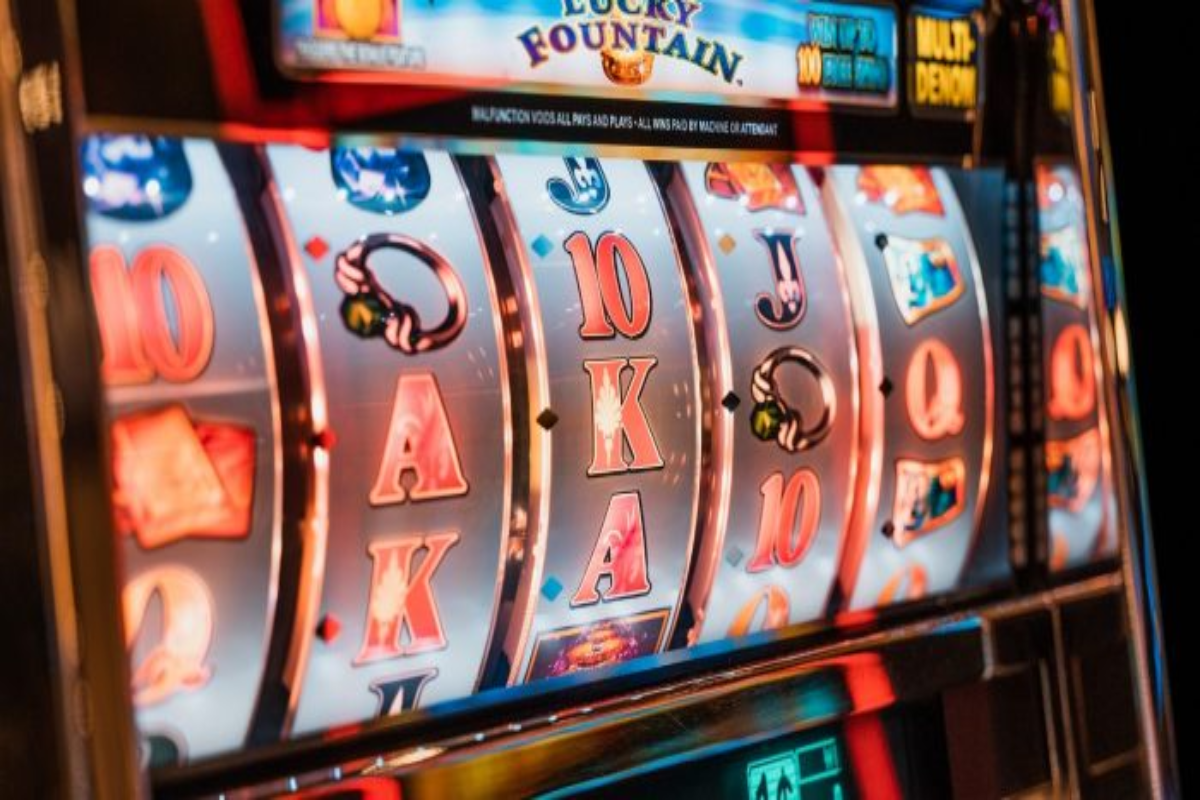
Luck plays a pivotal role in the realm of casino games, particularly in games of chance like slots and roulette. The randomness inherent in these games often dictates outcomes, making it nearly impossible to predict results. For instance, a player may hit a jackpot on a slot machine purely due to a fortunate spin. This element of luck can lead to exhilarating experiences, where anyone can walk away a winner, regardless of their prior knowledge or experience. Moreover, players interested in paysafe casinos may find themselves captivated by the potential for significant wins.

Moreover, the psychology of luck significantly affects players’ behavior. Many gamblers believe in lucky numbers, rituals, or superstitions that they feel improve their odds. This belief can enhance their gaming experience but can also lead to irrational betting patterns. For example, a player might continue to bet more on a losing streak, convinced that their luck will eventually turn, illustrating how luck can influence decision-making in gambling.
Additionally, luck can create an illusion of control among players. When someone wins, they often attribute it to their skill or decision-making, rather than acknowledging the role of chance. This can lead to overconfidence and unrealistic expectations for future play. Essentially, while luck is undeniably a significant factor in casino success, understanding its unpredictable nature can help players manage their expectations and approach gambling more sensibly.
The Importance of Skill in Casino Success
While luck has its place in casino games, skill is a critical component in many scenarios, particularly in table games such as poker and blackjack. These games require strategic thinking, an understanding of probabilities, and the ability to read opponents. Skilled players often rely on techniques like bluffing and strategic betting to increase their chances of winning. For example, in poker, a player’s ability to assess their hand and the potential hands of others can dramatically influence the game’s outcome. In places where players engage in paysafe casinos nz, the interplay of skill and luck becomes particularly fascinating.
Furthermore, experienced players often develop strategies based on statistical probabilities. In blackjack, for example, players who utilize card counting can significantly shift the odds in their favor. This type of skillful play requires practice, patience, and a deep understanding of the game’s mechanics. By honing these skills, players can mitigate the effects of luck, creating a more favorable playing environment and increasing their long-term success.
Moreover, the psychological aspect of skill cannot be overlooked. Skilled players tend to maintain a level of composure that allows them to make sound decisions under pressure. This mental fortitude can lead to better outcomes compared to players who rely solely on luck. In competitive environments, such as poker tournaments, the ability to stay focused and disciplined often separates the winners from the losers, emphasizing the significant role skill plays in casino success.
The Balance of Luck and Skill
In the world of gambling, the interplay between luck and skill creates a unique dynamic. Many casino games blend elements of both, allowing for a diverse range of player experiences. For example, in games like craps, players rely heavily on chance but can also employ strategies to increase their chances of winning. This balance highlights the importance of adapting one’s approach based on the type of game being played.
Moreover, understanding how luck and skill interact can enhance a player’s overall strategy. Players who appreciate the limitations of luck are often more disciplined in their gameplay, setting clear limits on their betting and avoiding chasing losses. They recognize that while luck can provide occasional victories, skill and strategic planning are essential for sustained success over time. This balanced approach can foster a healthier relationship with gambling, minimizing the risks associated with chasing luck.
Finally, recognizing the role of both factors can encourage players to develop their skills while still enjoying the thrill of chance. By integrating skillful strategies, players can improve their odds while acknowledging that luck will always remain a part of the equation. This balance ultimately enriches the gaming experience, allowing players to appreciate the nuances of each game while still embracing the excitement of unpredictability.
The Psychological Aspects of Gambling
The psychology of gambling plays a crucial role in how players perceive luck and skill. Cognitive biases, such as the illusion of control, often lead gamblers to overestimate their influence on outcomes. Players may think they can influence a game through their choices, thereby reinforcing the belief that skill outweighs luck. This perception can lead to continued play, even in the face of repeated losses, as players cling to the hope of a lucky turnaround.
Additionally, emotions significantly affect decision-making in gambling. Frustration or elation can drive players to make impulsive choices, often disregarding sound strategies. For instance, a player who has just won might become overconfident, leading to riskier bets. Conversely, a player on a losing streak may become despondent, impacting their ability to think clearly and make strategic decisions. Understanding these emotional influences can help players cultivate a more balanced and strategic approach to their gambling.
Lastly, social factors contribute to the psychology of gambling. Many players enjoy the camaraderie of playing with others, which can enhance the thrill of the game. Social interactions can create a sense of community, sometimes leading to collective beliefs in luck or shared strategies. While this can add to the enjoyment of gambling, it can also amplify misconceptions about skill and luck, making it essential for players to remain grounded in their understanding of the games they are playing.
Exploring Online Casino Options
As online casinos continue to grow in popularity, players are presented with an array of options to explore. These platforms offer a convenient way to experience the thrill of gambling while often providing valuable resources to enhance understanding of both luck and skill. Online casinos typically feature a variety of games, from slots to table games, each presenting unique opportunities to test one’s luck and skill.
Furthermore, reputable online casinos often offer tutorials, strategy guides, and forums that encourage players to improve their skills. These resources empower players to make informed decisions, ultimately increasing their chances of success. For instance, players may find tips on effective blackjack strategies or poker tactics that incorporate elements of skill, helping them navigate the challenges of chance more effectively.
Additionally, secure platforms that accept payment methods like Paysafecard ensure a safe gambling experience, allowing players to deposit without sharing sensitive information. This added layer of security can encourage more players to engage with online casinos, knowing they can focus on the game rather than worrying about their financial safety. This trust factor is crucial for fostering a positive gambling environment where skill development can thrive alongside the unpredictable nature of luck.